A doctor has written "PSA" on your slip. Or you are past fifty, a friend has mentioned his prostate, and you are wondering whether you should have the test too. Either way, you want to know what it is, what it costs, and whether the result will frighten you for no reason.
This guide covers the PSA test price at our laboratory, what the test actually measures, how to prepare so the result is reliable, and what a high or normal number really means. It is written with our urologist, because the number is only useful when someone reads it in context.
For a consultation, our urology department in Sonipat has the laboratory and ultrasound in the same building, so the test and the conversation about it can happen on one visit.
What is PSA test?
PSA stands for prostate-specific antigen. It is a protein made by the prostate, a small gland that sits just below the bladder in men and wraps around the urethra, the tube that carries urine out.
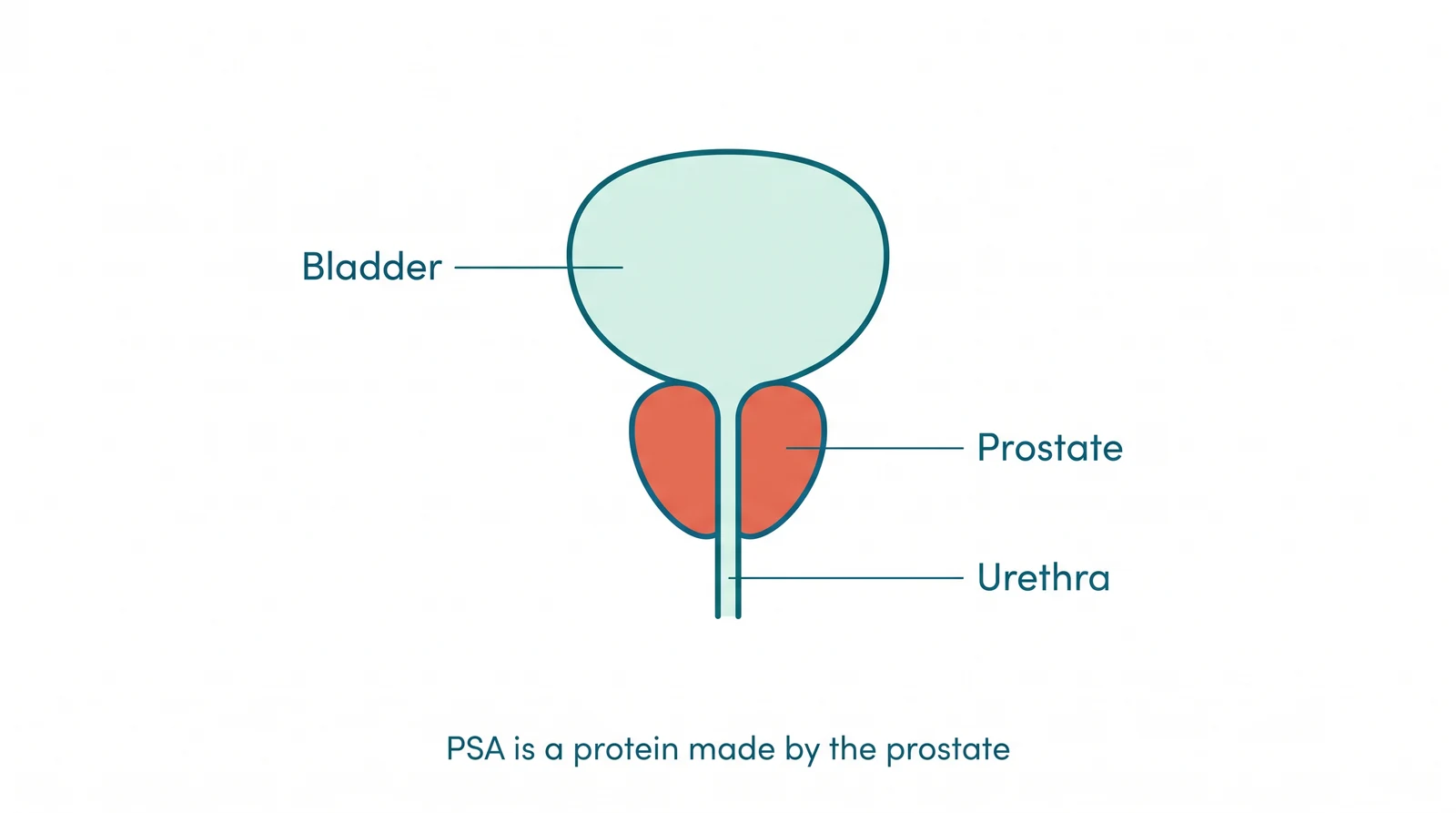
A little PSA leaks into the blood all the time. The PSA test is a simple blood test that measures how much. The level can rise when the prostate is enlarged, inflamed or infected, and sometimes when there is prostate cancer.
That last point is why the test matters. It is also why it needs careful reading. A raised PSA is a reason to look further. It is not, by itself, a diagnosis of anything.
PSA test price at Saroj Hospital
The current price of a PSA test at our NABL-accredited laboratory is ₹600, as listed on our tests page. That page always shows the latest figure.
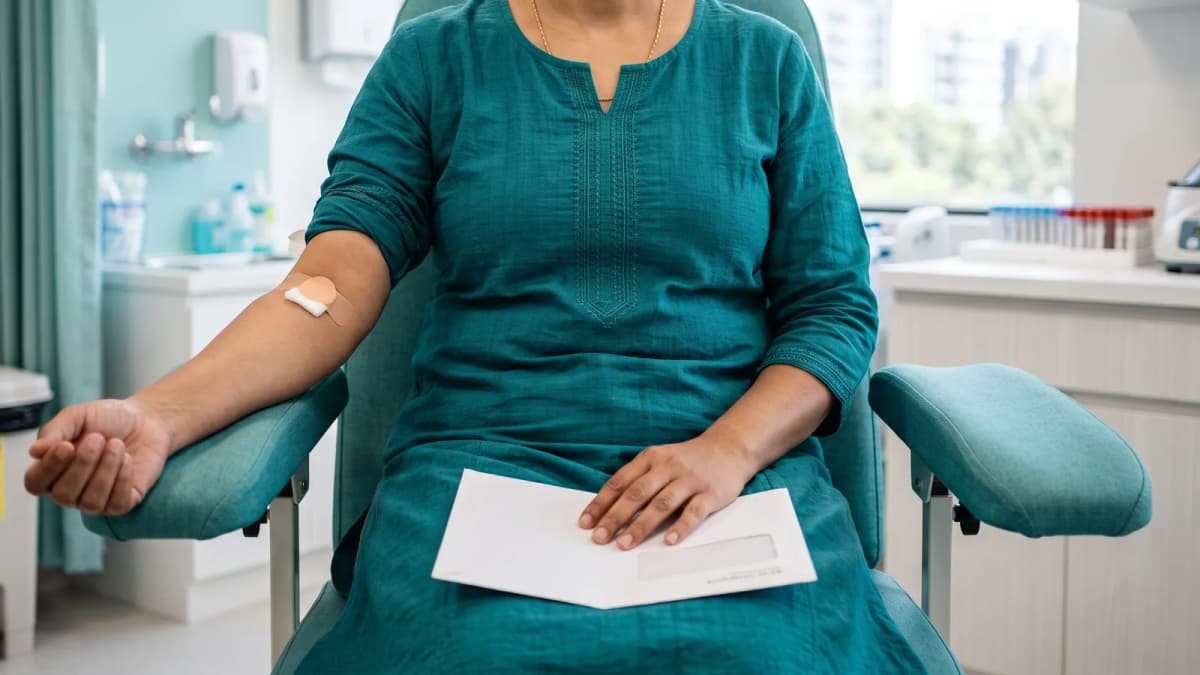
The test needs a single blood sample. Most reports are ready the same day.
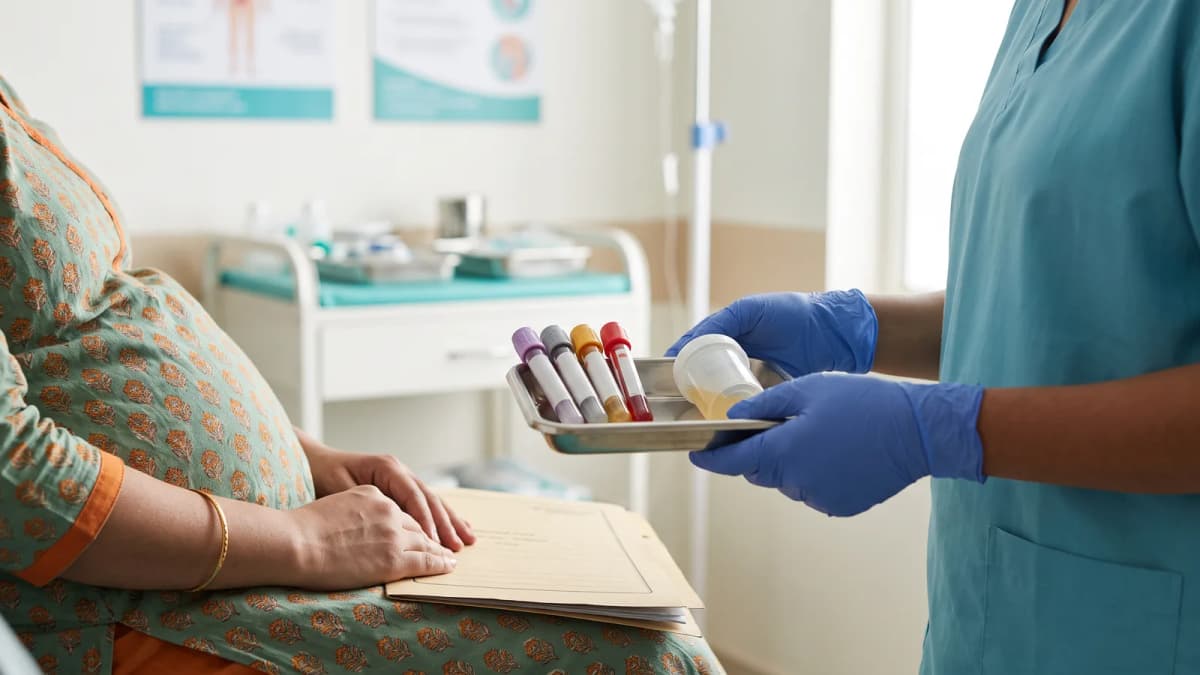
If your doctor wants a fuller picture, PSA is often done alongside a urine routine test and a kidney function test, and an ultrasound of the prostate and bladder. All of these are done here, in one visit.
How to prepare for a PSA test
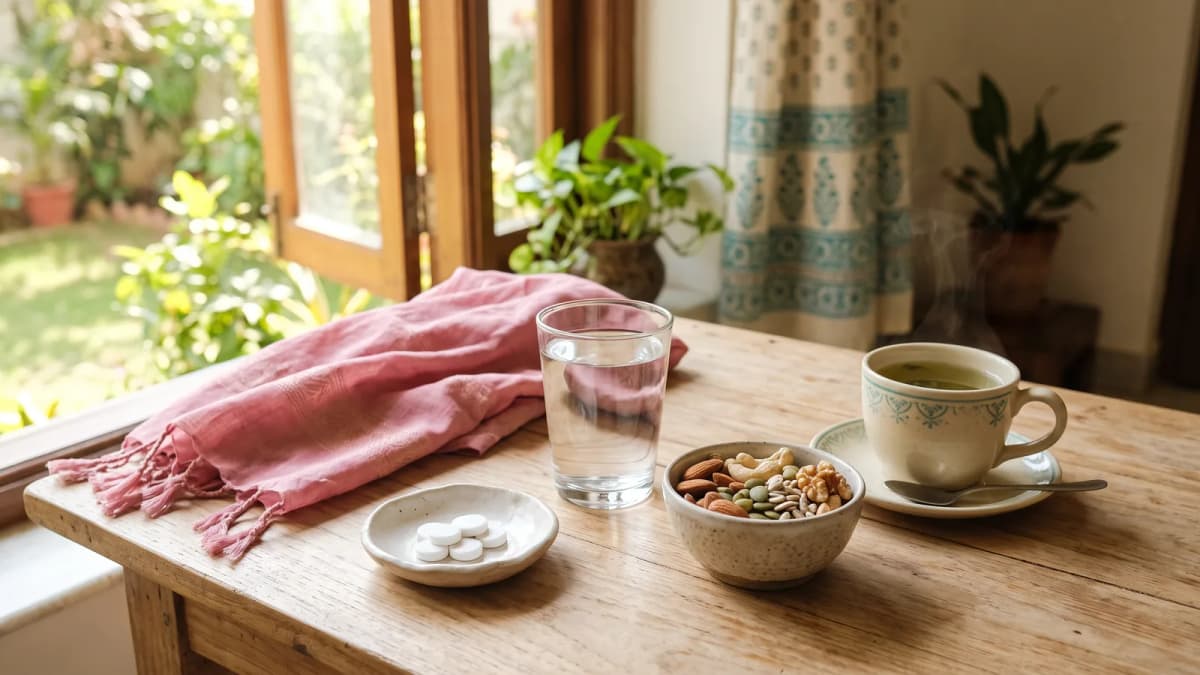
PSA is sensitive to things that disturb the prostate for a day or two. These can push the number up even when nothing is wrong. For the most reliable result:
- Avoid ejaculation for 48 hours before the test.
- Avoid long cycling or horse riding for 48 hours, as pressure on the area can raise the level.
- Do not test during a urine infection. Infection can raise PSA a lot. Wait until it has been treated and settled.
- Tell the doctor about recent procedures, such as a catheter, a prostate examination or a biopsy.
- Tell the doctor about prostate medicines. Some tablets used for an enlarged prostate lower PSA, and the result has to be read with that in mind.
You do not need to fast for a PSA test on its own.
PSA test normal range: why there is no single number
This is the part most websites get wrong, by giving one figure and stopping there.
Many laboratories use 4 ng/mL as a rough guide, with results below that often called normal. But the PSA test normal range changes with age. A man of 75 naturally has a higher PSA than a man of 45, because the prostate grows with age.
So your doctor reads the number alongside:
- Your age.
- The size of your prostate, often seen on ultrasound. A large gland makes more PSA.
- Any recent infection or procedure.
- The trend over time. A PSA that is slowly rising year on year can matter more than a single result.
- Your family history. A father or brother with prostate cancer changes how a result is read.
This is why we do not recommend reading a PSA report alone and drawing a conclusion. Bring it to a urologist.
If the PSA is high
First: do not panic. Most men with a raised PSA do not have cancer. The common causes are an enlarged prostate, which is very common after fifty, and prostatitis, an inflammation or infection of the gland.
The usual next steps are simple:
- Repeat the test after a few weeks, with proper preparation, to confirm the number.
- Check for infection with a urine test, and treat it if found.
- Examine the prostate and often scan it.
Only if the picture still points that way would your urologist discuss further tests, such as an MRI or a biopsy. That decision is made with you, step by step, not on one number.
Our guide on prostate treatment medicine covers how an enlarged prostate is managed. And if you want to know what you can do to lower your risk, read how to avoid prostate cancer.
Who should have a PSA test
There is no simple rule that every man must test. The decision is best made with a doctor, because the test has real benefits and some downsides, such as extra tests after a false alarm.
A conversation about PSA testing makes sense for:
- Men over 50
- Men over 45 with a father or brother who had prostate cancer
- Men of any age with urinary symptoms, such as a weak stream, getting up at night to pass urine, or difficulty starting
The US National Cancer Institute's PSA fact sheet and the NHS guide to the PSA test both describe this shared, informed approach.
Care at Saroj Hospital
Dr. Jatin Jain, MBBS, DNB (General Surgery), MCh (Urology) sees patients in the urology OPD every day, 9:00–11:30 AM and 4:00–6:30 PM.
Prostate concerns are personal, and many men put off asking. You can book online without explaining your reason at the front desk. Bring any earlier PSA reports, so the trend can be seen, and a list of the medicines you take.
Frequently asked questions
Is the PSA test painful?
No. It is a normal blood test from a vein in the arm. It takes a few minutes.
Does a high PSA mean I have cancer?
No. Most raised PSA results are caused by an enlarged or inflamed prostate. A high result means your doctor will look further, usually starting with a repeat test and a urine check.
How often should I repeat the PSA test?
That depends on your age, your first result and your risk. Some men repeat it every year or two; others less often. Your urologist will suggest an interval based on your own numbers.
Do I need to fast before a PSA test?
No. Fasting is not needed for PSA alone. But avoid ejaculation and long cycling for 48 hours beforehand, and do not test during a urine infection.
Book an appointment
If you are over fifty, have a family history, or have noticed changes in how you pass urine, a PSA test and a short consultation give you a clear answer. The test, the scan and the urologist are all under one roof.
Book an appointment with the urology OPD, or call reception on +91 96676 67011.
Medically reviewed by Dr. Jatin Jain, MBBS, DNB (General Surgery), MCh (Urology), Saroj Hospital, Sonipat.
This article is general health information, not medical advice. For guidance about your own health, please consult a doctor.
Consult Dr. Jatin Jain
Book a real slot online — confirmation is instant.