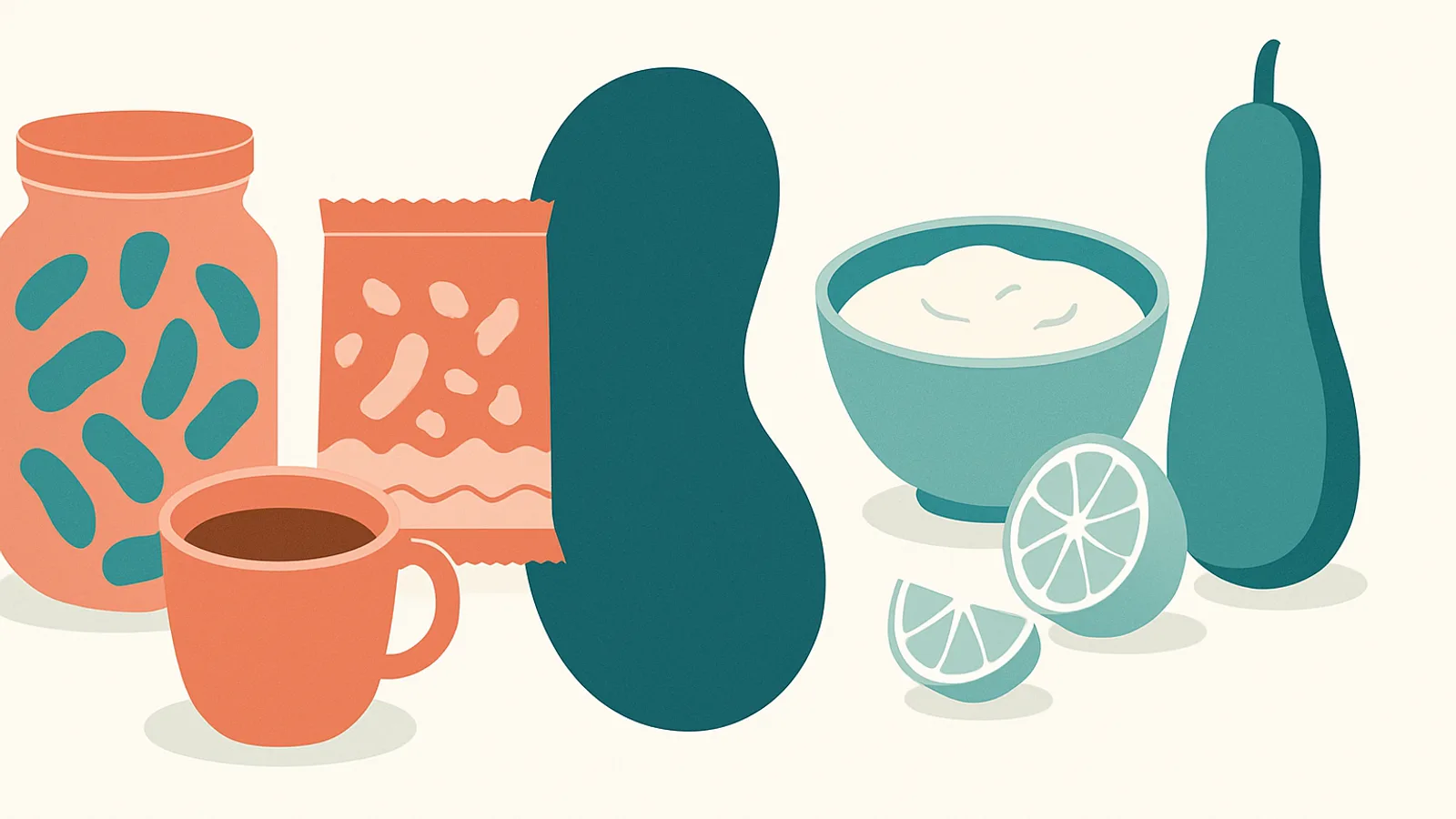
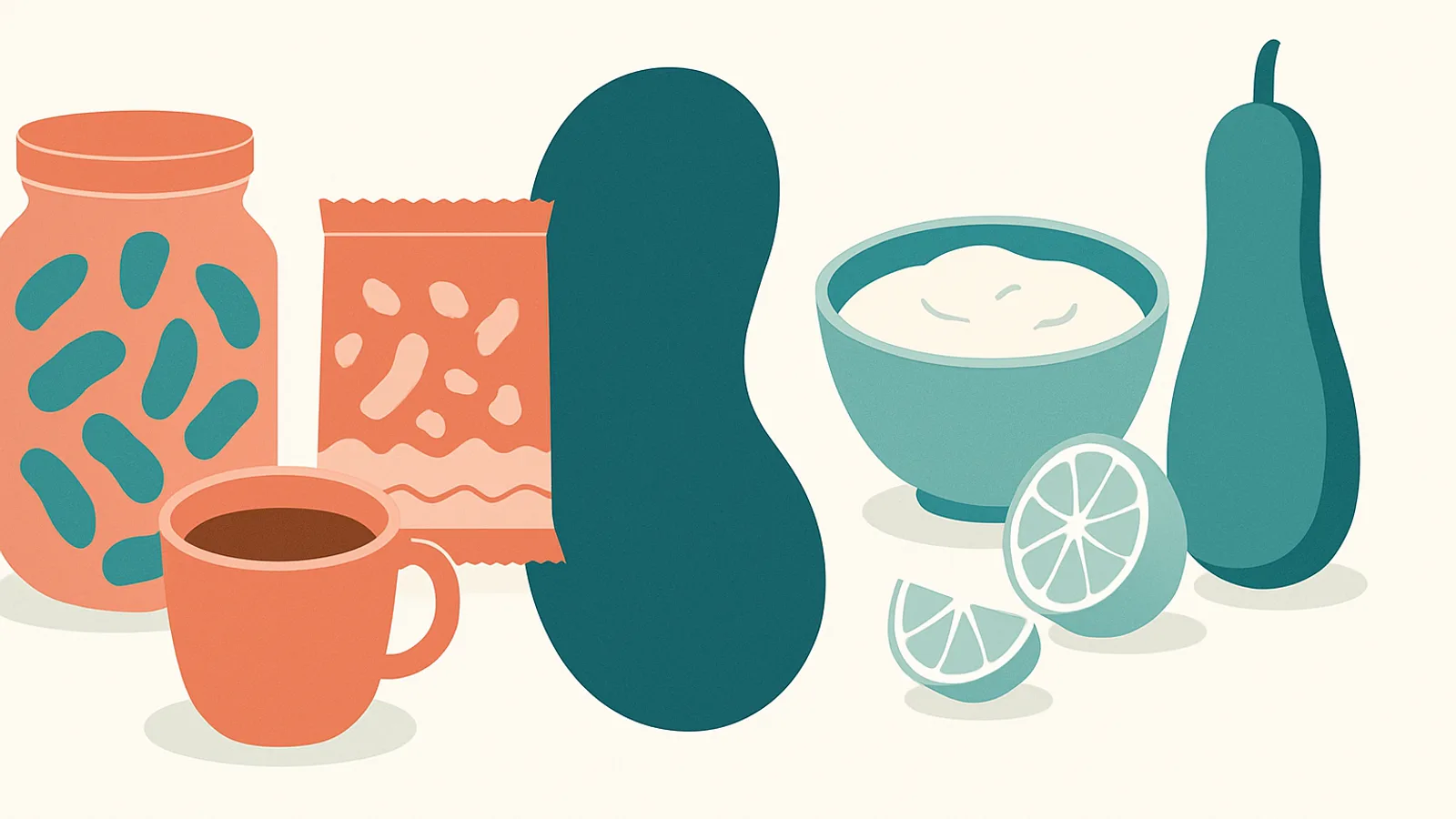
Most people who have passed a stone want one answer: what should I stop eating? It is a fair question, and the honest reply is that what foods cause kidney stones depends on the kind of stone you formed — but a handful of habits drive most cases in North India, and they are worth knowing whatever your stone type.
This is a guide to the foods that genuinely matter, the ones that get blamed unfairly, and the single most common mistake patients make when they try to fix their diet alone.
If you would rather have a ready-made week of meals, our 7 day kidney stone diet chart turns all of this into daily plans. For evaluation, our urology department in Sonipat has ultrasound and the pathology lab in the same building.
First: which stone did you form?
Roughly four in five stones are calcium oxalate. The rest are mostly uric acid, with smaller numbers of struvite and cystine stones. This matters because the diet advice differs sharply.
- Calcium oxalate — salt and oxalate-rich foods matter most
- Uric acid — red meat, organ meat and alcohol matter most
- Struvite — usually linked to urinary infection, not diet
If you passed a stone and kept it, bring it in. Stone analysis is inexpensive and it converts guesswork into a plan. Without it, everyone gets the same generic advice, which is only right about eighty per cent of the time.
What foods cause kidney stones
Four groups do most of the damage. They are listed here in the order they matter for a typical North Indian diet.
Salt — the biggest single lever
If you change one thing, change this.
Sodium makes your kidneys push more calcium into urine. More calcium in urine means more raw material for a stone. The effect is large enough that reducing salt often does more than cutting out spinach ever will.
The trouble is that most of the salt is not in your salt shaker. It hides in:
- Pickles and papad
- Namkeen, bhujia, packet snacks
- Ready masala mixes and instant noodles
- Restaurant and roadside food
- Bakery items and biscuits
The World Health Organization's fact sheet on salt reduction puts most adults well above what is sensible. You do not need to weigh anything — cutting pickle and packet snacks alone moves the needle for most patients.
Oxalate-rich foods, and why quantity matters
Oxalate binds calcium and forms crystals. Some foods carry a lot of it.
The higher-oxalate foods common in Indian kitchens:
- Spinach (palak) — by a wide margin the highest
- Beetroot
- Sweet potato
- Nuts, especially almonds and cashews
- Sesame (til)
- Chocolate and cocoa
- Strong tea
Here is the part that gets lost: frequency matters more than any single meal. Palak paneer once a fortnight is not what caused your stone. Six cups of strong tea a day, every day, for years is a different matter.
Vegetables to avoid for kidney stones
Very few vegetables need avoiding outright. If you formed calcium oxalate stones, eat these less often — or pair them with curd, which helps bind the oxalate before it reaches your kidneys:
- Spinach and other dark leafy greens in quantity
- Beetroot and beet greens
- Sweet potato
- Colocasia (arbi)
- Okra (bhindi), if you eat it very often
Almost everything else is fine and worth eating: lauki, tinda, all the gourds, carrots, cauliflower, cabbage, peas, most beans. A stone diagnosis is not a reason to stop eating vegetables.
The calcium mistake
This is the error we see most often, and it makes things worse rather than better.
Patients hear "calcium stone" and stop drinking milk, stop eating curd, stop paneer. It feels logical. It is backwards.
Calcium you eat binds oxalate in your gut, before either reaches the kidney. Cut the calcium and more free oxalate is absorbed, arrives at the kidney, and forms exactly the crystals you were trying to avoid. Studies have consistently found that low dietary calcium is associated with more stones, not fewer.
So: eat normal amounts of curd, milk or paneer, and eat them with meals rather than between them, so the calcium meets the oxalate where it should.
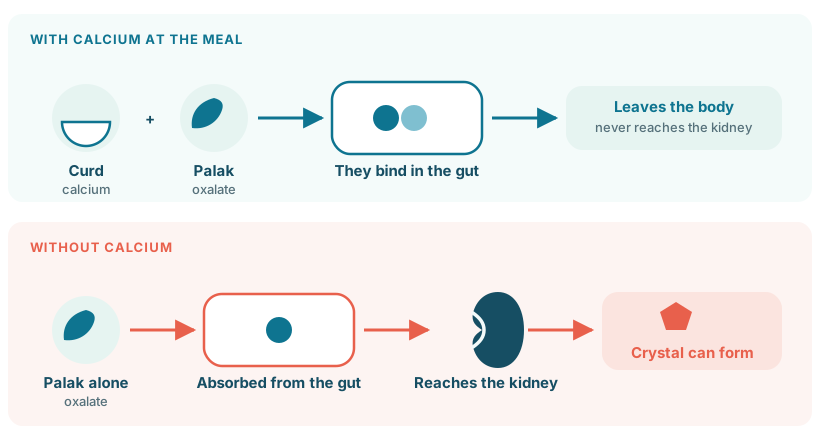
The one thing to be careful with is calcium supplements taken on an empty stomach. If you have been prescribed those, mention your stone history to the doctor who prescribed them.
The NIDDK's guidance on eating, diet and nutrition for kidney stones covers this trade-off in more detail.
Animal protein, sugar and alcohol
Animal protein. Large daily portions of chicken, mutton or eggs raise uric acid and lower citrate, a natural stone inhibitor in urine. You do not have to become vegetarian. Moderate portions, not every single day, is the practical version.
Organ meat — kaleji and similar — is high in purines and matters especially for uric acid stones.
Sugary drinks. Colas are associated with higher stone risk. Fresh nimbu pani without sugar is the opposite: citrate genuinely helps.
Alcohol dehydrates and raises uric acid. Both work against you.
What to eat more of
The list of helpful foods is shorter and easier:
- Water, steadily through the day — the single most protective habit there is
- Citrus — lemon, orange, sweet lime. Citrate slows crystal formation
- Curd and buttermilk with meals
- Fruit and vegetables generally, with the oxalate exceptions above
- Barley water, a reasonable traditional option
You will notice none of this is exotic or expensive. That is the point.
When diet is not enough
Diet lowers your risk of forming the next stone. It does not dissolve one you already have, and it does not fix a stone that is blocking urine flow.
Get seen the same day if you have:
- Severe pain in waves that will not settle
- Fever together with back or flank pain — this can mean an infected, obstructed kidney and is urgent
- Vomiting that stops you keeping fluids down
- Visible blood in urine
- Passing very little urine, or none at all
Book a consultation soon if you have:
- Stone pain that keeps returning
- A stone seen on a previous scan, even without symptoms
- Repeated urinary infections
A stone can quietly block a kidney and damage it while causing surprisingly little pain. That is why "it settled on its own" is not the same as "it is gone".
Getting assessed at Saroj Hospital
Assessment usually means an ultrasound and a urine test, both done here in the same visit, with the pathology work handled by our NABL-accredited laboratory — its processes are independently audited.
Dr. Jatin Jain, MBBS, DNB (General Surgery), MCh (Urology) runs the urology OPD every day, 9:00–11:30 AM and 4:00–6:30 PM. If you are not sure whether what you are feeling is a stone at all, the early warning signs are worth reading first.
Frequently asked questions
Is tomato bad for kidney stones?
No — this is the most common myth we hear. Tomato seeds do not cause stones. Tomatoes are only moderately high in oxalate and a normal amount in your cooking is fine.
Should I stop drinking milk if I have kidney stones?
No. Cutting dairy tends to increase oxalate stone risk because dietary calcium binds oxalate in the gut. Have curd or milk with your meals. Speak to a doctor before stopping any calcium supplement you were prescribed.
Does drinking beer help pass a kidney stone?
This belief is common and unhelpful. Alcohol dehydrates you and raises uric acid, both of which work against you. Plain water in steady quantity does what people hope beer will do.
How soon after a stone should I change my diet?
Straight away. The risk of forming another stone is highest in the first few years, so the habits you build now are the ones that count.
Book an appointment
If stone pain keeps coming back, or a scan has shown a stone you have not had assessed, get it looked at rather than managing it with painkillers. Consultation, ultrasound and lab tests happen in one visit here, and most reports are ready the same day.
Book an appointment with the urology OPD, or call reception on +91 96676 67011.
Medically reviewed by Dr. Jatin Jain, MBBS, DNB (General Surgery), MCh (Urology), Saroj Hospital, Sonipat.
This article is general health information, not medical advice. For guidance about your own health, please consult a doctor.
Consult Dr. Jatin Jain
Book a real slot online — confirmation is instant.