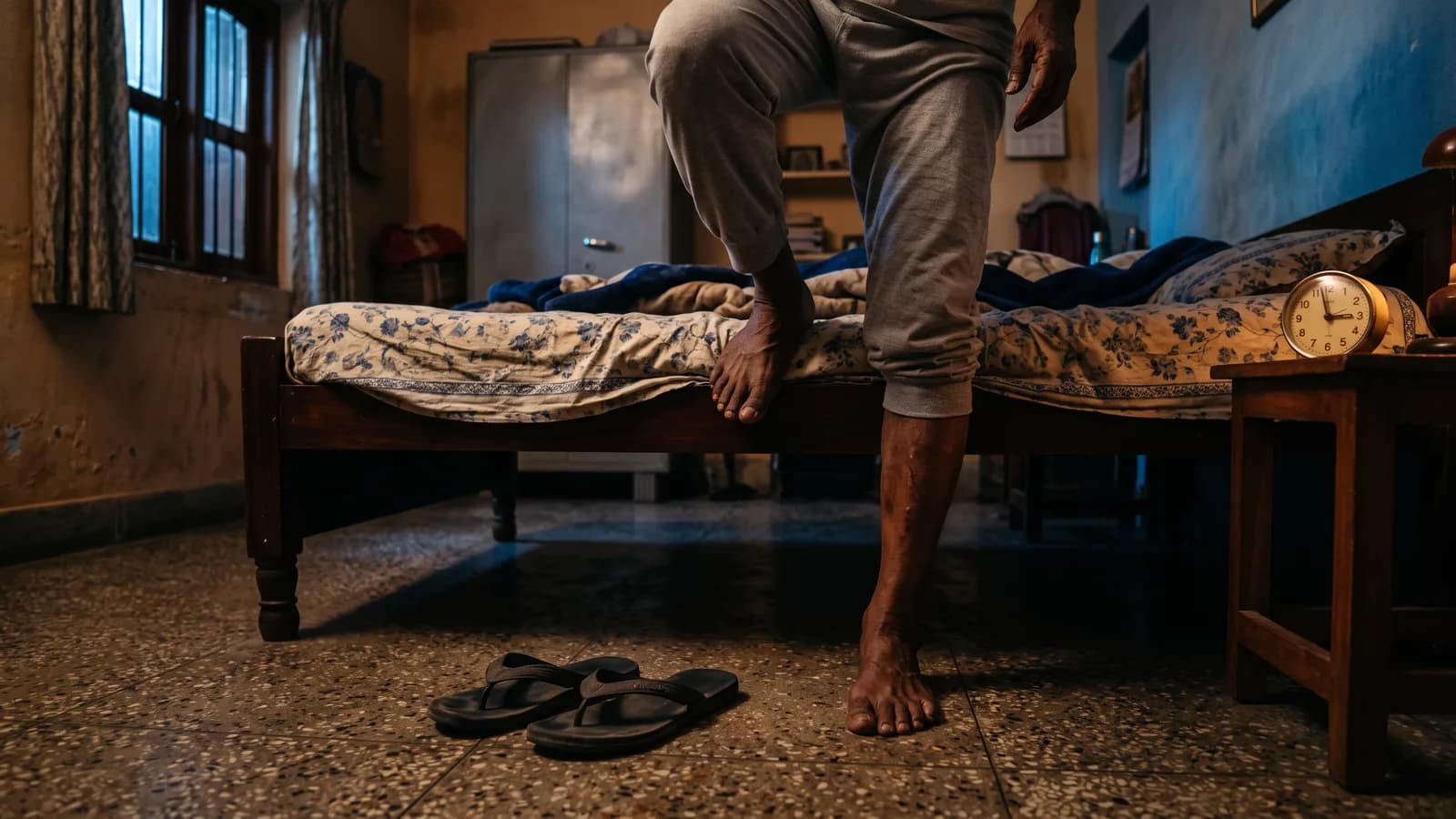
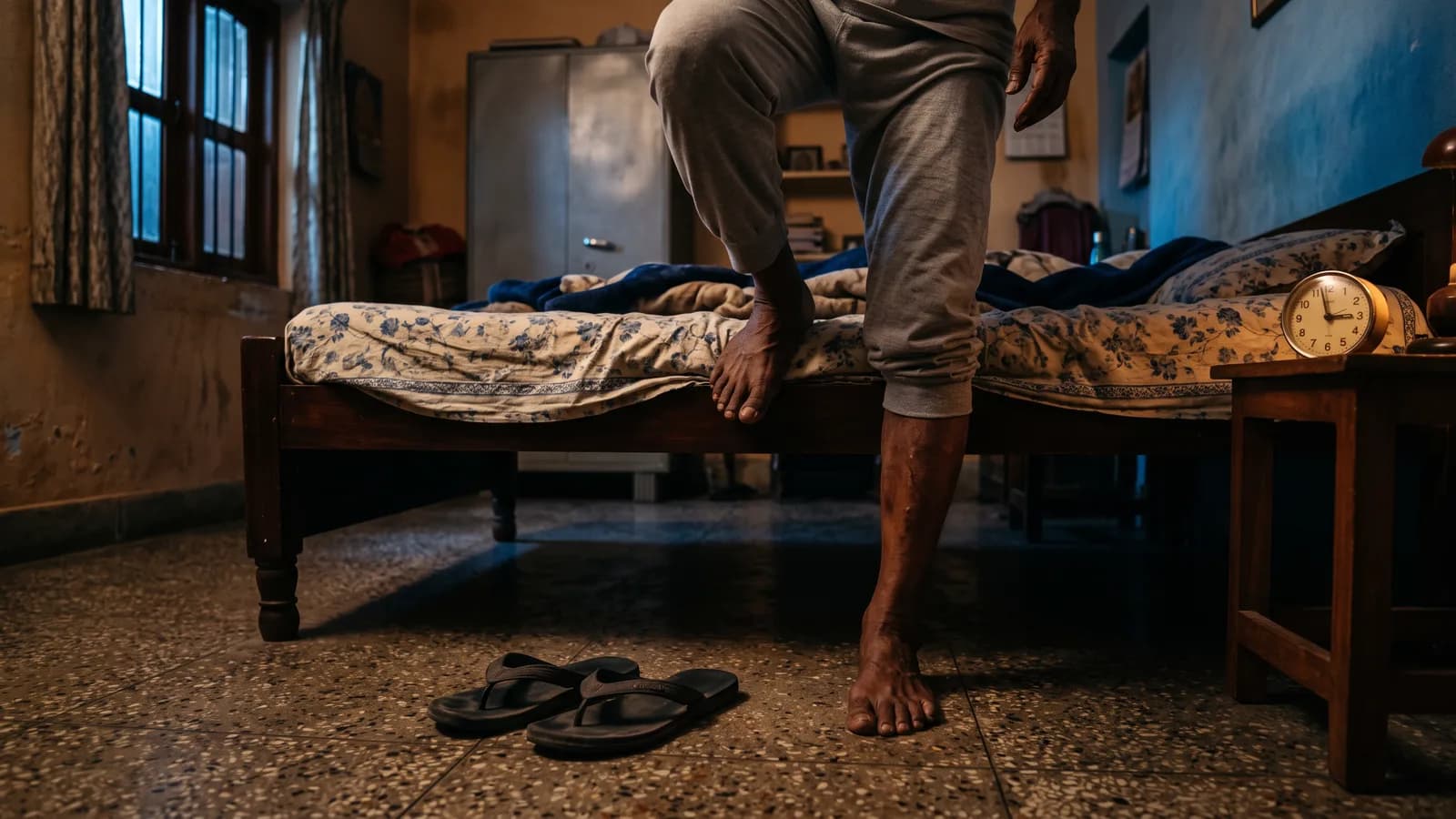
You go to bed tired and wake at two to pass urine. Then again at four. By morning you feel as though you have not slept at all. Your family says it is just age.
Sometimes it is. Often it is not, and there is a lot that can be done. Increased urination at night, which doctors call nocturia, is one of the commonest reasons men over fifty come to a urologist. Women have it too.
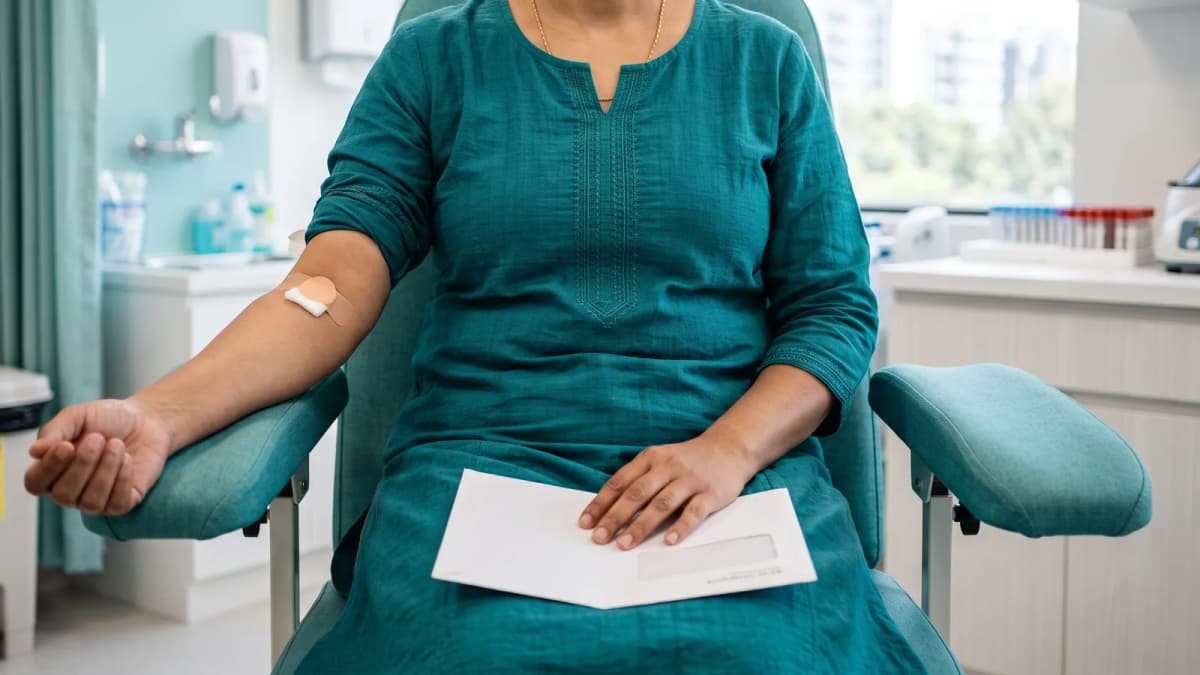
This guide explains the usual causes, the simple changes that help, and the tests that find the reason. Our urology department in Sonipat can do the urine and blood tests and the ultrasound in one visit.
How much is too much?
Getting up once a night is common and usually nothing to worry about. Getting up twice or more, most nights, is worth discussing with a doctor. It breaks sleep, and poor sleep affects mood, blood pressure and concentration the next day. In older people, getting up in the dark also raises the risk of falls.
The common causes of increased urination at night
1. An enlarged prostate (men)
The prostate is a gland that sits below the bladder and wraps around the urethra, the tube urine flows through. After about fifty it slowly grows in most men. A larger prostate can squeeze the urethra.
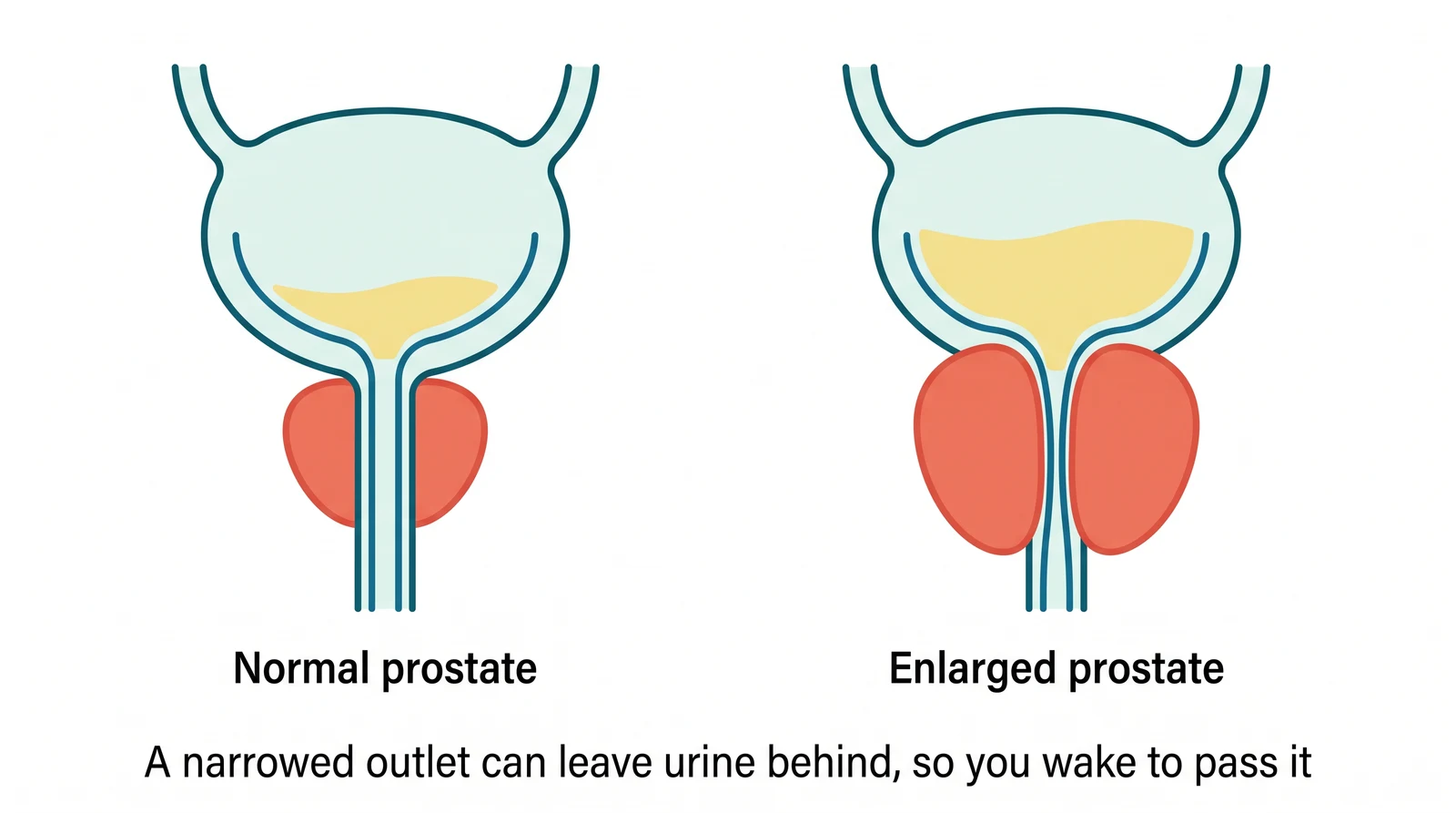
When the outlet narrows, the bladder does not empty fully. The urine left behind means it fills up again sooner, and you wake to pass it. Other signs include a weak stream, difficulty starting, dribbling at the end, and the feeling that you have not finished.
Our guide on prostate treatment medicine explains how this is treated, and the PSA test is usually part of the check.
2. Drinking late in the evening
Tea, coffee, alcohol and large amounts of water close to bedtime all fill the bladder overnight. Tea and coffee also make the kidneys produce more urine. This is the easiest cause to fix.
3. An overactive bladder
Here the bladder muscle squeezes before it is full. You feel a sudden, strong urge, sometimes with leaks. It happens in both men and women, by day and by night.
4. High blood sugar
Uncontrolled diabetes makes the kidneys pass extra sugar, which pulls water with it. Frequent peeing, along with thirst, tiredness and weight loss, can be the first sign of diabetes. It is worth a simple blood test.
5. A urine infection
An infection irritates the bladder and causes frequency and urgency, often with burning. Our guide to UTI medicine covers how it is diagnosed and treated.
6. Fluid moving at night
If your ankles swell during the day, that fluid moves back into the blood when you lie down, and the kidneys pass it as urine at night. Heart and kidney conditions can cause this. Some blood pressure tablets, taken in the evening, can too.
Other causes
Poor sleep and loud snoring with pauses in breathing (sleep apnoea) are linked to night-time urination. As we age, the body also makes less of a hormone that normally slows urine production at night.
Simple changes that often help
Try these for two weeks and see what changes:
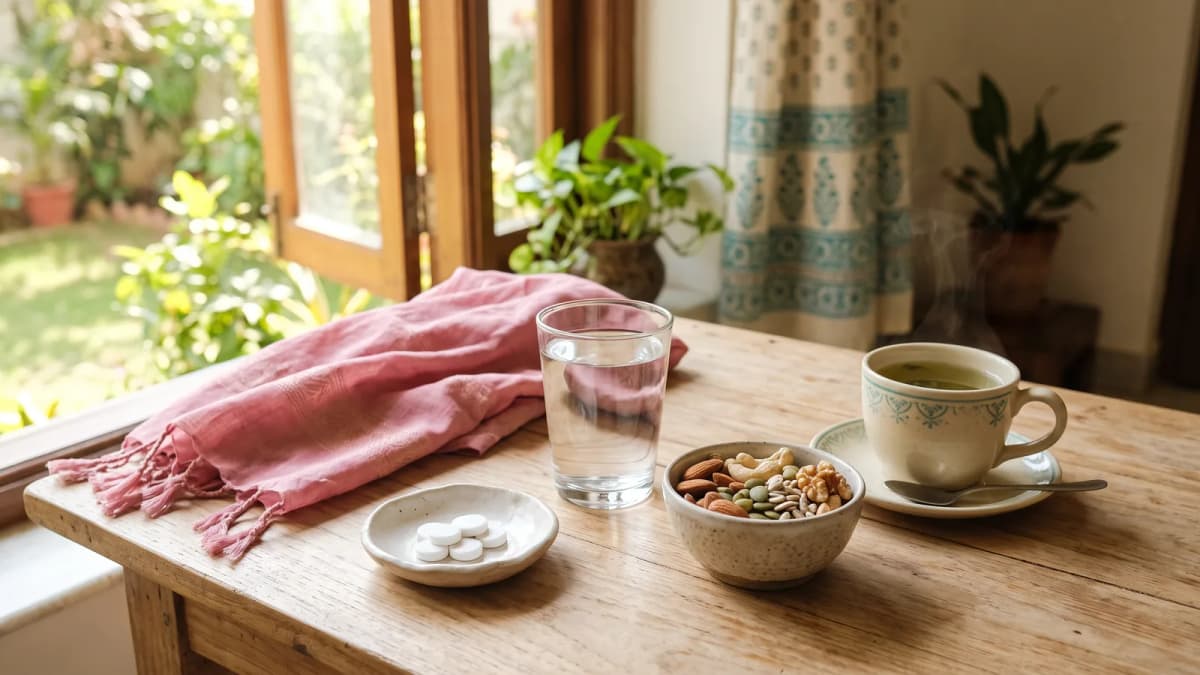
- Drink most of your fluids before 6 PM, and less in the two hours before bed.
- Cut tea, coffee and alcohol in the evening.
- Pass urine just before you lie down. Some men find it helps to wait a minute and go again.
- If your ankles swell, raise your legs for an hour in the afternoon so the fluid clears before bed.
- Ask your doctor whether a water tablet can be taken in the morning instead of the evening. Do not change the timing yourself.
Keep a bladder diary
This one step often explains the cause. For three days, write down:
- What you drink, how much, and when
- Each time you pass urine, and roughly how much
- Each time you wake to go
Bring it to your appointment. It shows whether you are making too much urine overall, too much at night, or passing small amounts often because the bladder is not holding well. Each points to a different cause.
When peeing very frequently needs a urologist
See a urologist if you are peeing very frequently and:
- You get up two or more times most nights
- Your stream is weak, or you strain to start
- You have burning, blood in the urine, or fever
- You are thirsty and losing weight
- Changes to your drinking have not helped
The NIDDK guide to prostate enlargement and the Sleep Foundation's overview of nocturia describe these causes and the same practical steps.
The tests that find the reason
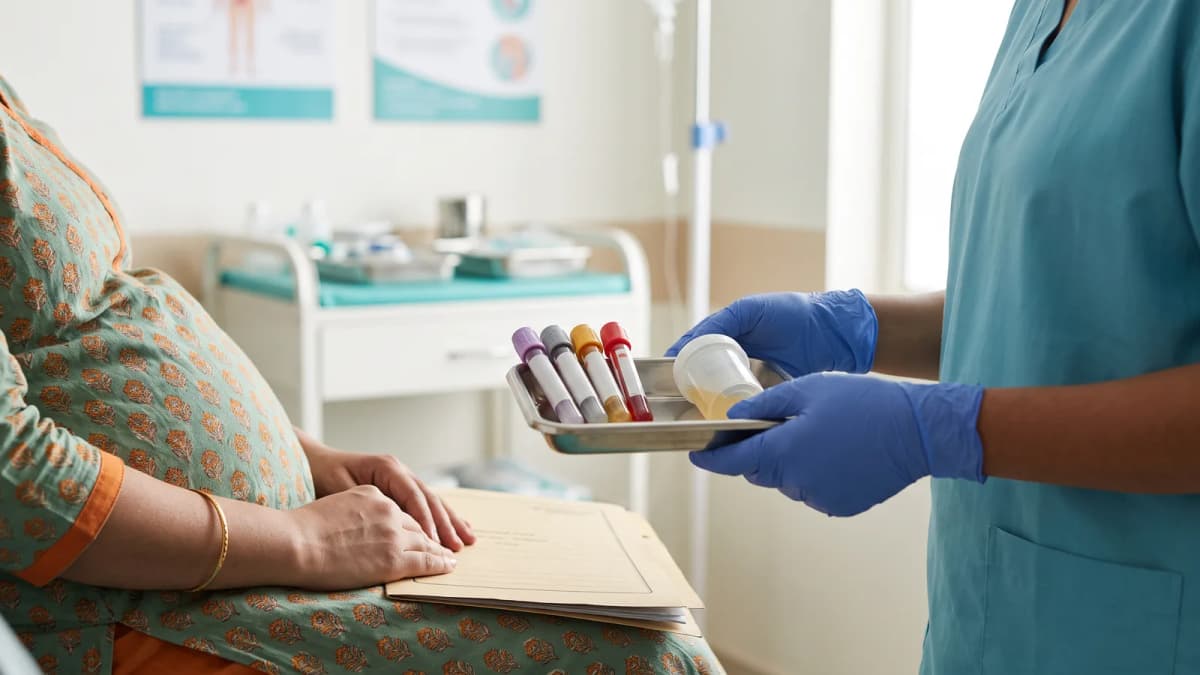
Most causes are found with a few simple tests, all done here:
- Urine routine, to check for infection and sugar. The current price is ₹150, as listed on our tests page.
- Blood sugar or HbA1c, to check for diabetes.
- Kidney function test, to check the kidneys are working well.
- PSA, for men, as part of the prostate assessment.
- Ultrasound, to measure the prostate and see how much urine is left in the bladder after you pass it.
Care at Saroj Hospital
Dr. Jatin Jain, MBBS, DNB (General Surgery), MCh (Urology) sees patients in the urology OPD every day, 9:00–11:30 AM and 4:00–6:30 PM.
Bring your bladder diary and a list of every medicine you take, with the time you take it. Many men feel awkward talking about urine problems. You can book online privately, without explaining your reason at reception.
Frequently asked questions
Is waking up to urinate a normal part of ageing?
Getting up once a night becomes more common with age. Getting up two or more times is not something you simply have to accept. There is usually a cause, and often a treatment.
Should I stop drinking water to stop waking up?
No. Drink normally during the day, but take most of your fluids before early evening. Cutting water too much can cause dehydration, constipation and urine infections.
Can an enlarged prostate be treated without surgery?
Usually, yes. Many men improve with medicines alone. Surgery is considered when medicines do not help enough, or if there are complications such as repeated infections or difficulty passing urine at all.
Can women have increased urination at night?
Yes. In women the common causes are an overactive bladder, urine infections, drinking late, and fluid moving at night. The same diary and tests help find the reason.
Book an appointment
If broken nights have become normal for you, they do not have to stay that way. Book a consultation. The tests and the scan are done here in one visit.
Book an appointment with the urology OPD, or call reception on +91 96676 67011.
Medically reviewed by Dr. Jatin Jain, MBBS, DNB (General Surgery), MCh (Urology), Saroj Hospital, Sonipat.
This article is general health information, not medical advice. For guidance about your own health, please consult a doctor.
Consult Dr. Jatin Jain
Book a real slot online — confirmation is instant.