The ultrasound report says "calculus, 6 mm". You have been in pain on and off for three days. The first question in your head is simple: will it come out on its own, or will I need an operation?
The size of the stone is the biggest part of that answer. It is not the only part. This guide explains what different sizes usually mean, how long a stone takes to pass, what you can do while you wait, and the signs that mean kidney stones need a urologist rather than more painkillers.
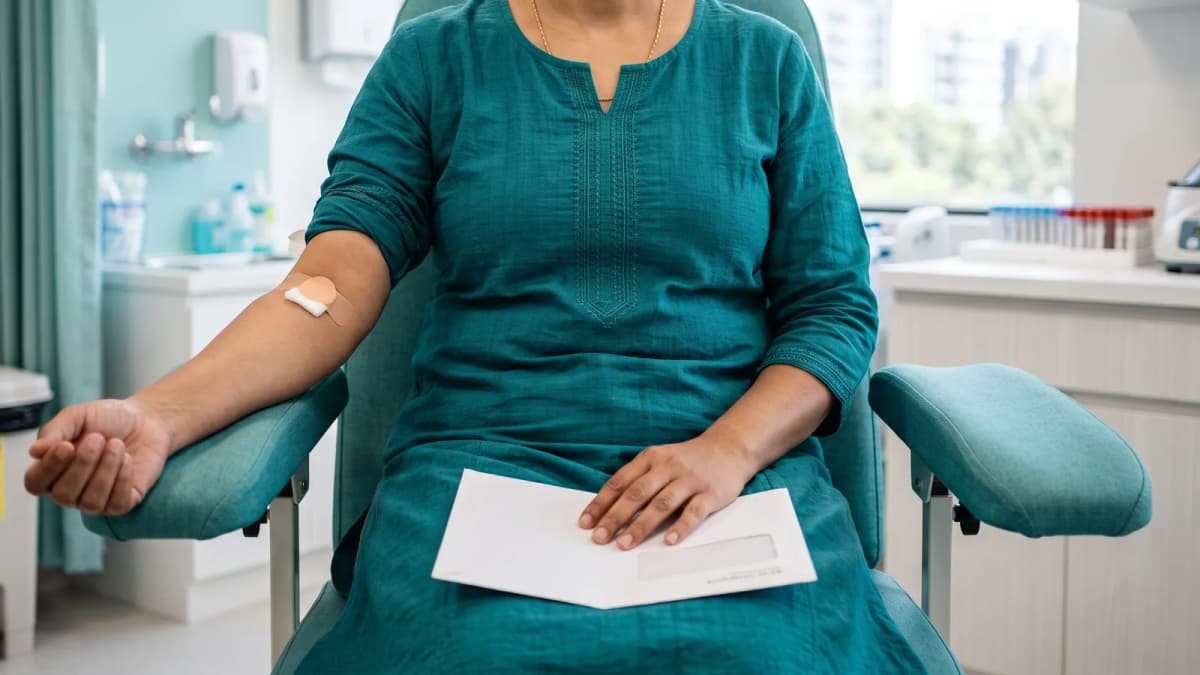
Our urology department in Sonipat has ultrasound and the laboratory in the same building, so a stone can be measured, checked and planned for in one visit.
Why size matters so much
A stone has to travel from the kidney, down a thin tube called the ureter, into the bladder, and then out. The ureter is only a few millimetres wide at its narrowest points. A stone that is smaller than those points can slip through. A larger one gets stuck.
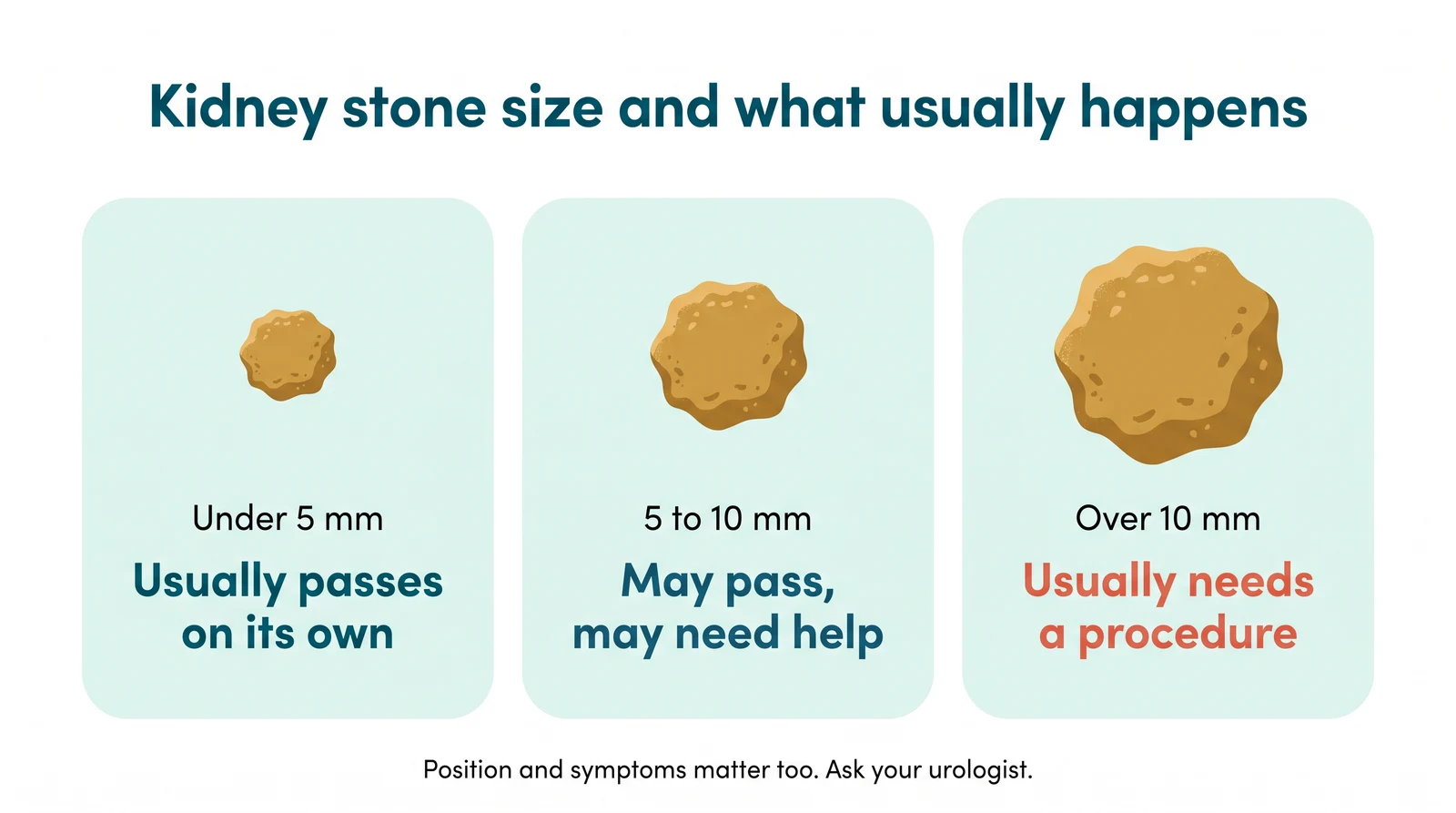
As a broad guide:
Under 5 mm. Most pass on their own, usually within a few weeks, with water, pain relief and sometimes a medicine to relax the ureter.
5 to 10 mm. Some pass; many do not. The lower the stone sits in the ureter, the better its chance.
Over 10 mm. Passing on its own is uncommon. A procedure is usually needed.
These are averages, not promises. A 4 mm stone can get stuck, and a 7 mm stone sometimes passes.
A 4mm kidney stone: what to expect
A 4mm kidney stone is one of the commonest findings on a scan, and the outlook is usually good. Most stones this size pass without surgery.
Expect pain that comes in waves as it moves, often travelling from the back towards the groin. You may see a little blood in the urine, and feel a strong urge to pass urine as it nears the bladder. When it finally passes, many people feel nothing at all; others notice a gritty speck.
Sieve your urine if your doctor asks. A stone that is caught can be analysed, which tells us how to stop the next one forming.
Comparing kidney stones 5mm pictures online
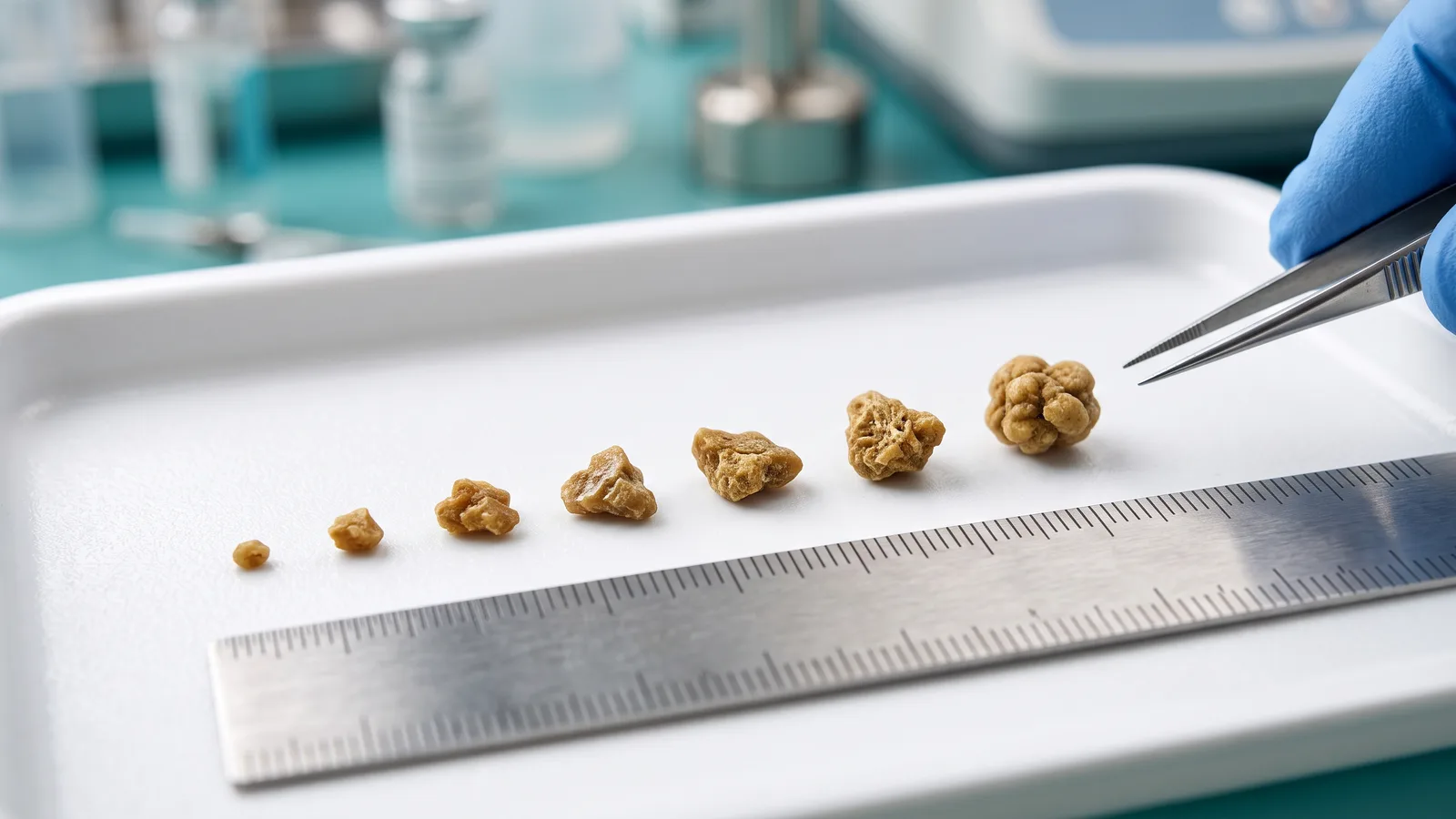
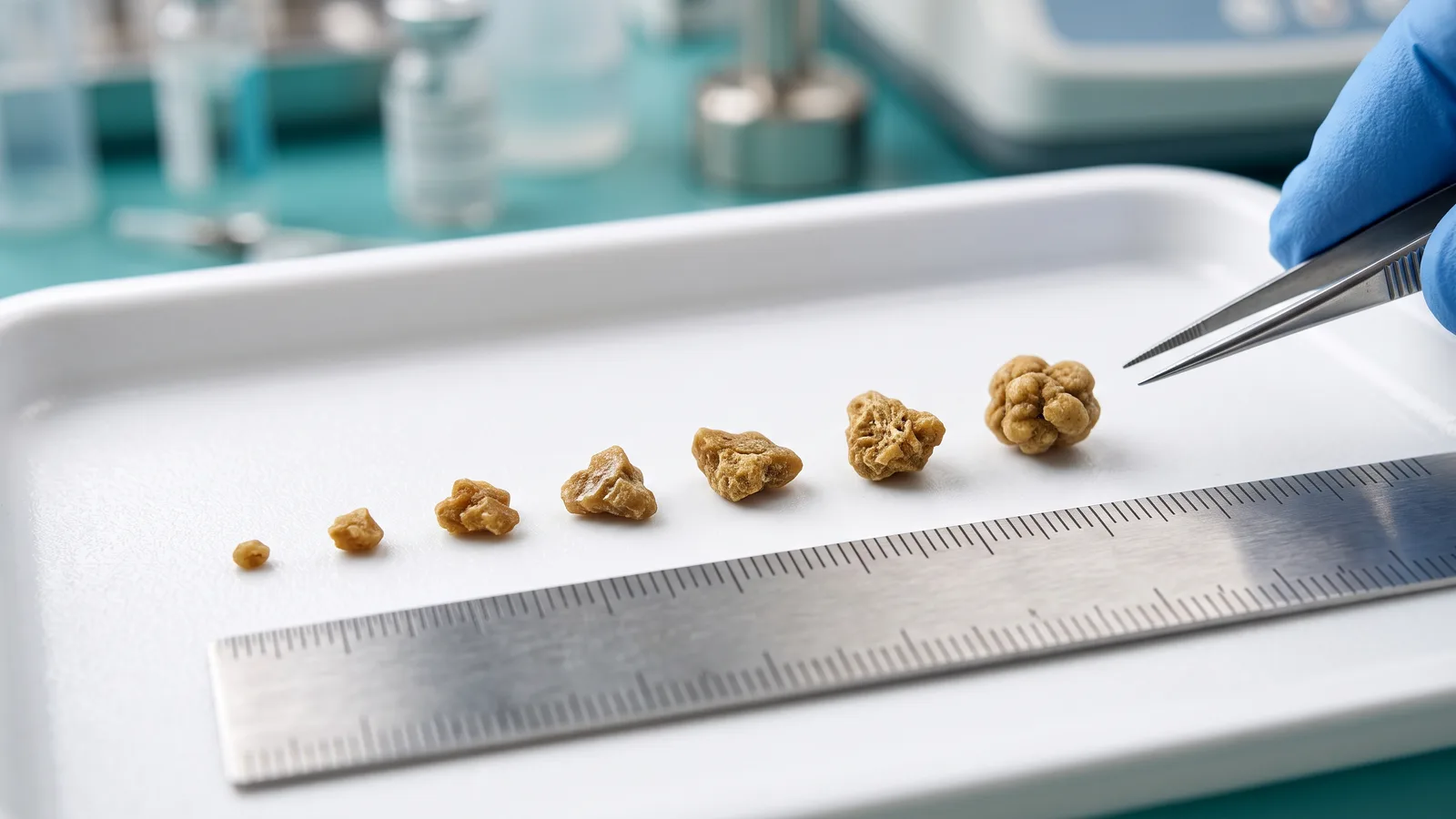
Many people search for kidney stones 5mm pictures to judge what they are dealing with. Pictures can mislead. A stone looks very different on a ruler, on an ultrasound and on a CT scan, and its shape matters as much as its size. A smooth round stone passes more easily than a jagged one of the same width.
The measurement on your report is what counts, read alongside where the stone sits.
Position matters as much as size
The same stone behaves differently depending on where it is:
- In the kidney, a small stone may cause no symptoms and can sometimes just be watched.
- High in the ureter, near the kidney, it has a long way to travel.
- Low in the ureter, near the bladder, it has the best chance of passing on its own.
Your scan report should say where the stone is. If it does not, ask.
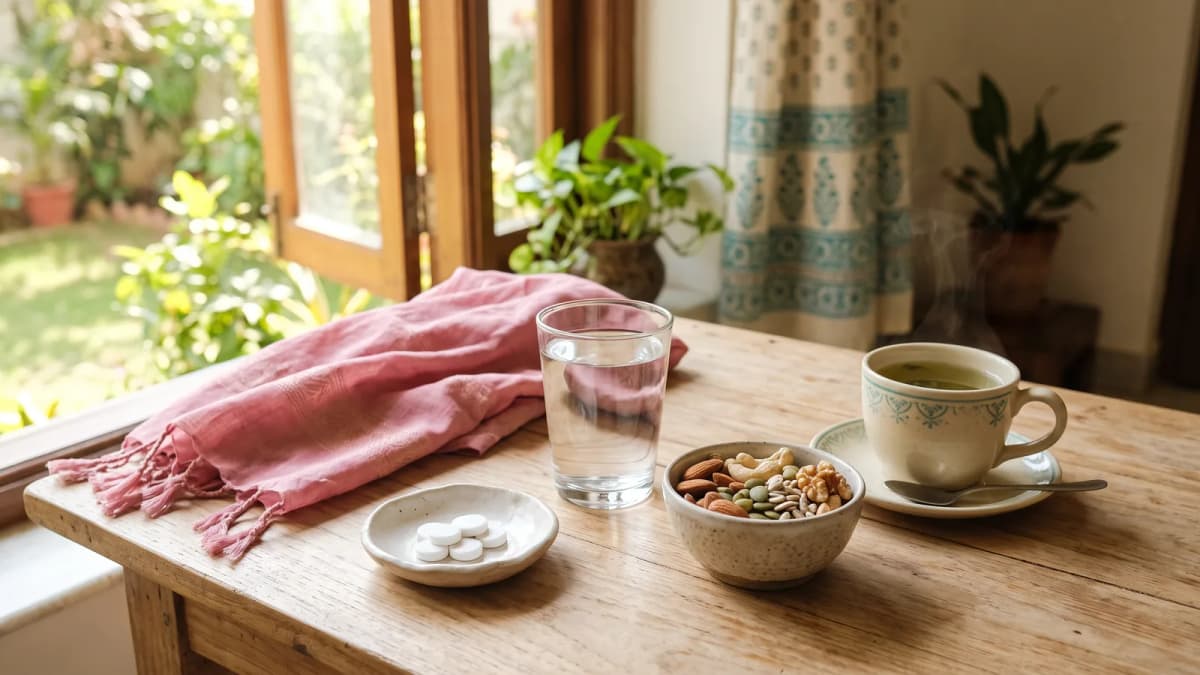
What to do while a small stone passes
If your urologist agrees a stone can be given a chance to pass:
- Drink steadily through the day, enough for pale urine.
- Take the pain relief prescribed. Some common painkillers are hard on the kidneys, so do not mix in your own.
- Take the medicine to relax the ureter if one is prescribed. It helps stones in the lower ureter move down.
- Keep moving. Normal walking and activity are fine.
- Keep your follow-up. A repeat scan confirms the stone has gone, rather than sitting silently and blocking the kidney.
Most doctors give a stone around four to six weeks. If it has not passed by then, the plan usually changes.
When kidney stones need a urologist
See a urologist rather than waiting it out if:
- The stone is larger than about 6 mm, or has not moved after a few weeks
- You have fever or shivering with stone pain. A blocked, infected kidney is an emergency.
- The scan shows the kidney is swollen behind the stone
- Pain is not controlled by the medicines prescribed
- You have only one working kidney
- You are pregnant
- You keep forming stones
For these, a urologist will discuss the options. They range from a short course of medicines to laser treatment. Our guides to kidney stones treatment medicine and laser surgery for kidney stones explain them in detail.
The NIDDK guide to kidney stones and the NHS page on kidney stones give the same general size guidance.
Stopping the next stone
Passing one stone raises the chance of another. Drinking enough water, cutting down on salt and changing a few foods make a real difference. Our 7 day kidney stone diet chart is built for Indian kitchens, and the early warning signs are covered in kidney stone early signs.
Care at Saroj Hospital
Dr. Jatin Jain, MBBS, DNB (General Surgery), MCh (Urology) sees patients in the urology OPD every day, 9:00–11:30 AM and 4:00–6:30 PM.
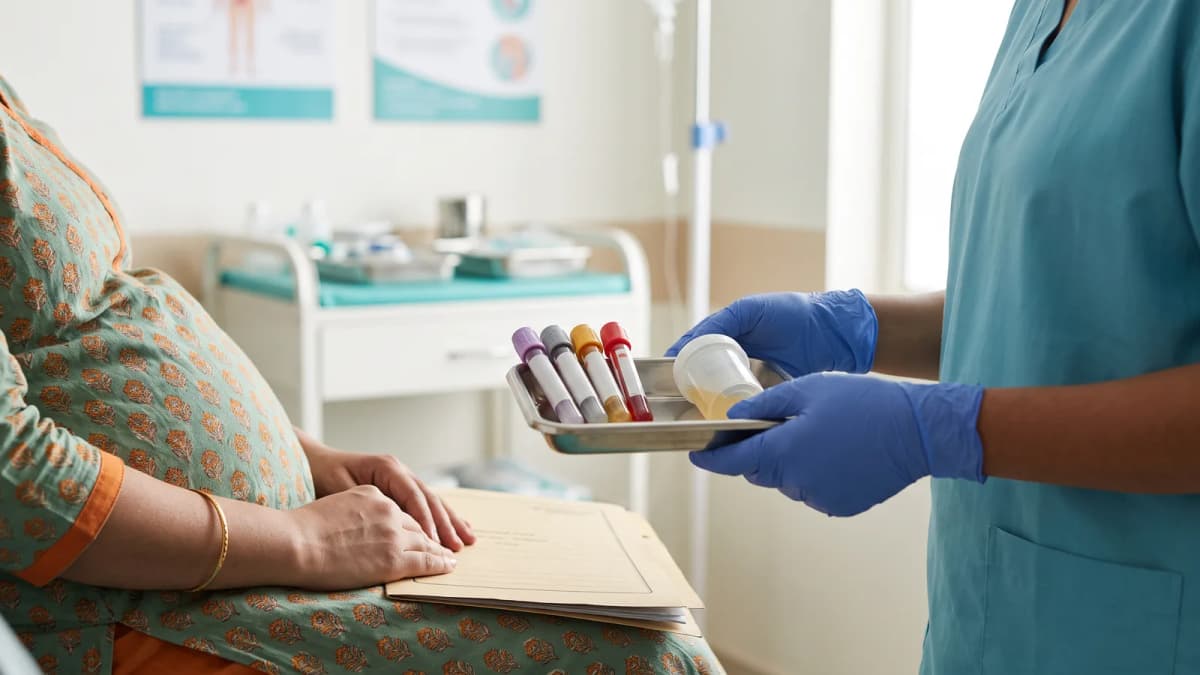
Bring every scan you have had, with dates, so the stone's movement can be tracked. If you have caught a stone, bring that too. The ultrasound and urine tests are done here on the same visit.
Frequently asked questions
How long does a 4mm kidney stone take to pass?
Often within one to three weeks, though it can take longer. If it has not passed in about four to six weeks, or pain or fever develop, see a urologist.
Can a 10mm kidney stone pass naturally?
It is uncommon. Most stones of 10 mm or more need a procedure, such as laser treatment. Your urologist will advise based on its position and your symptoms.
Does drinking a lot of water flush out a stone?
Steady water intake helps small stones pass and prevents new ones. Forcing down litres at once during severe pain does not help and can make it worse. Drink regularly through the day.
Is ultrasound enough to measure a kidney stone?
Ultrasound finds most stones and shows whether the kidney is swollen. Sometimes a CT scan is needed for an exact size and position, especially before a procedure. Your urologist will tell you if you need one.
Book an appointment
If a scan has shown a stone and you are not sure whether to wait, or the pain keeps coming back, book a consultation. The scan, the urine test and the urologist are all under one roof.
Book an appointment with the urology OPD, or call reception on +91 96676 67011.
Medically reviewed by Dr. Jatin Jain, MBBS, DNB (General Surgery), MCh (Urology), Saroj Hospital, Sonipat.
This article is general health information, not medical advice. For guidance about your own health, please consult a doctor.
Consult Dr. Jatin Jain
Book a real slot online — confirmation is instant.